Exploring the Connection Between Cycling and Community Development
Cycling is often viewed as merely a recreational activity, but it can also play a significant role in community development. As urban areas in the Czech Republic look for sustainable ways to enhance local economies and improve quality of life, cycling has emerged as a promising solution.
Understanding the Basics
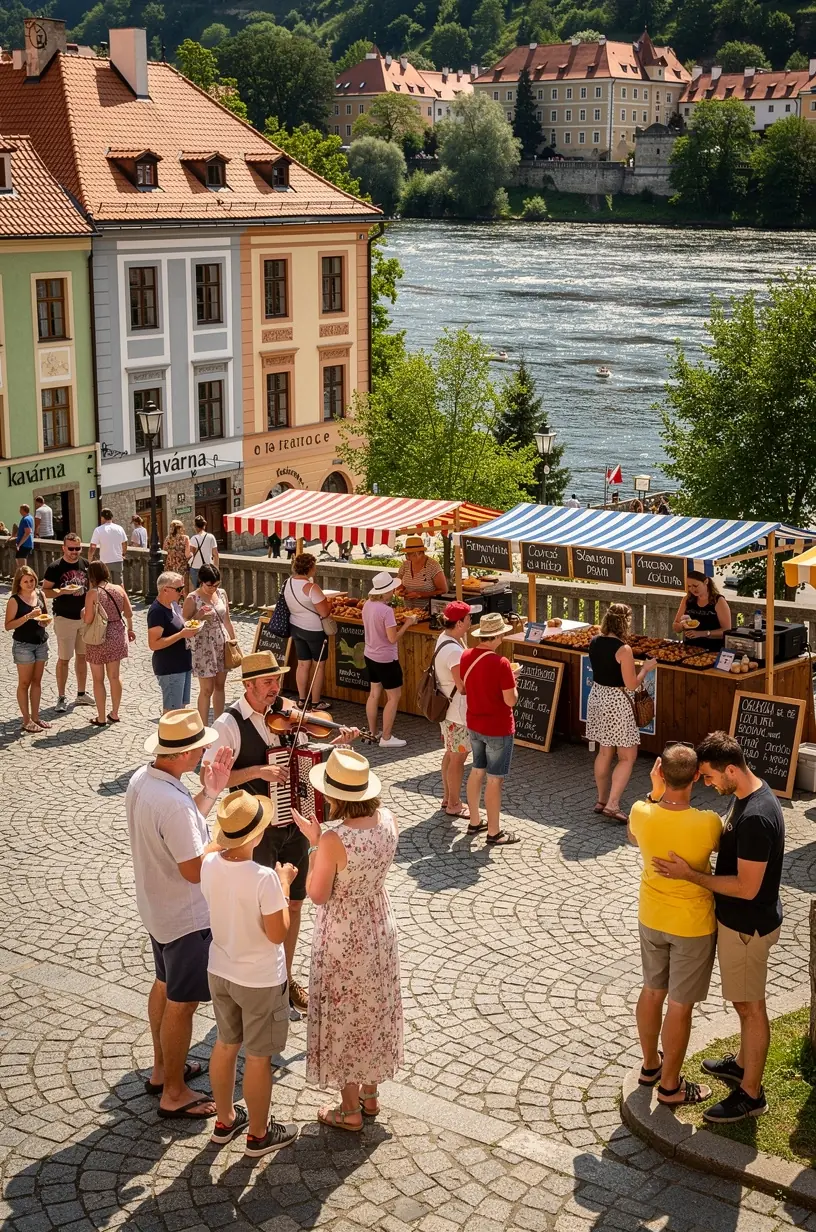
Cycling promotes physical health and supports local economies, and these benefits are not merely anecdotal. According to a study by the Czech Cycling Association, communities that encourage cycling see an increase in local business revenues, often by as much as 30%. This is because cyclists are more likely to stop at local shops compared to those driving through.
"Investing in cycling infrastructure can yield significant returns for local businesses and improve community wellbeing," states urban planning expert Dr. Pavel Novák.
The Role of Cycling in Community Development
There are several ways that cycling contributes to community development:
- Enhanced Connectivity: Cycling can improve access to various parts of a community, allowing residents to reach jobs, schools, and services more easily.
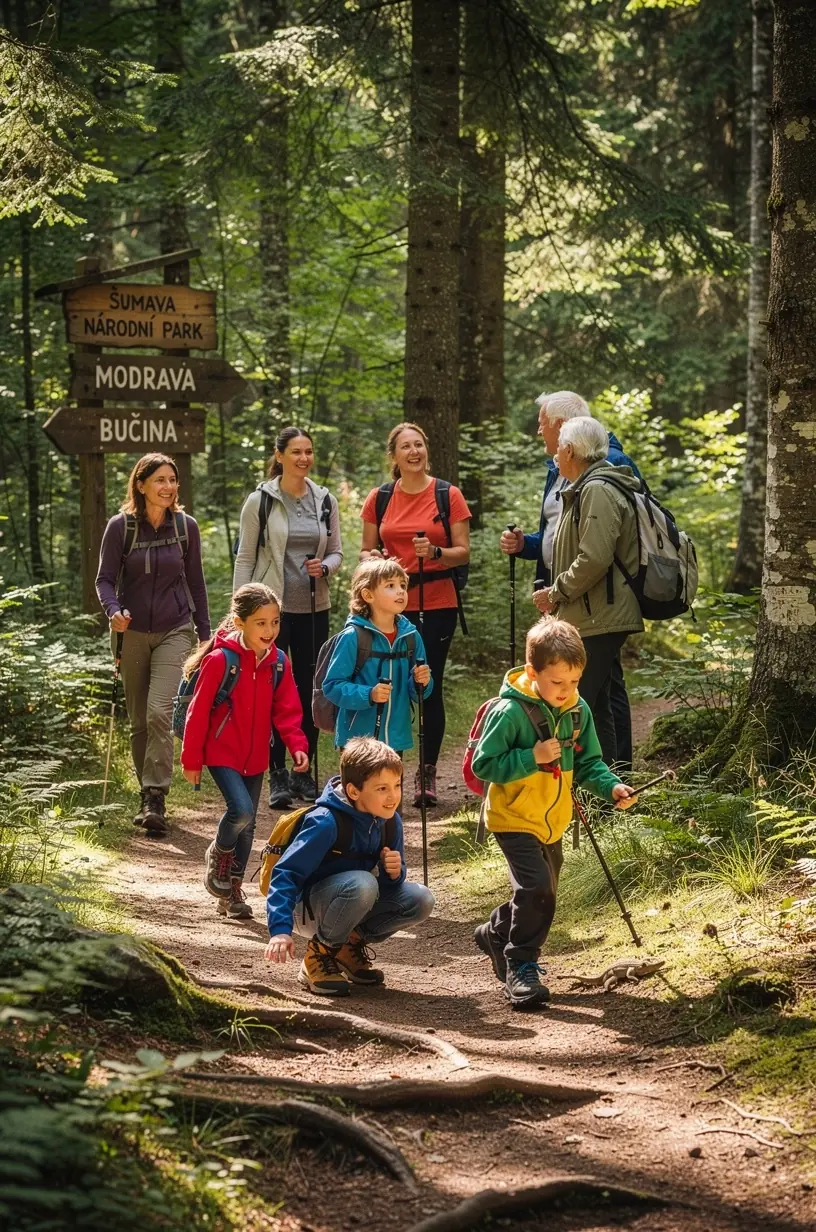
- Increased Local Engagement: Cycling events, such as community rides and races, foster social interactions and encourage community bonding.
- Environmental Benefits: By reducing reliance on motor vehicles, cycling can contribute to lower greenhouse gas emissions, promoting a healthier environment.
Practical Applications for Communities
To effectively harness the benefits of cycling, communities can implement several strategies:
- Develop Infrastructure: Creating bike lanes and bike-sharing programs requires investment but can typically lead to increased cycling rates. Studies indicate that dedicated cycling infrastructure can increase bike usage by up to 50% over a few years.
- Engage Local Businesses: Collaborating with local businesses to provide discounts or promotions for cyclists encourages cycling and boosts local economies. Many businesses report a notable increase in foot traffic when they support cycling initiatives.
- Conduct Community Workshops: Educating residents about the benefits of cycling and providing safety training can help to build a cycling-friendly culture. Research shows that communities with educational programs see a higher adoption of cycling as a regular mode of transport.
Acknowledging Limitations
While the potential benefits of cycling for community development are significant, it’s important to recognize certain limitations:
- Building cycling infrastructure requires funding and planning, which can take considerable time—often several months to years.
- Community acceptance of cycling as a primary mode of transportation can vary. Building this culture often requires sustained effort and advocacy.
- In areas with harsh weather conditions, cycling may not be suitable year-round, necessitating alternative options to encourage year-round engagement.
Conclusion
Cycling has the potential to contribute meaningfully to community development in the Czech Republic. By enhancing local connectivity, engaging residents, and promoting environmental sustainability, cycling initiatives can positively impact both the economy and the quality of life for residents. However, achieving these benefits requires careful planning, community engagement, and a commitment to fostering a cycling-friendly culture.
Learn More