Exploring Historical Parks Through Light Tourism
Historical parks offer unique insights into the past and provide an excellent venue for light tourism activities. This article explores how engaging in light tourism can enhance your experience in these parks by combining leisure with education.
The Importance of Historical Parks
Historical parks play a crucial role in preserving cultural heritage and promoting outdoor recreation. According to research, these parks typically attract many visitors who wish to learn about history while enjoying nature. Many users report that combining light tourism with outdoor activities can deepen their appreciation for historical narratives.
"Historical parks serve not just as recreation spaces, but as vital educational platforms that connect us to our past." - Experts in Cultural Heritage
What is Light Tourism?
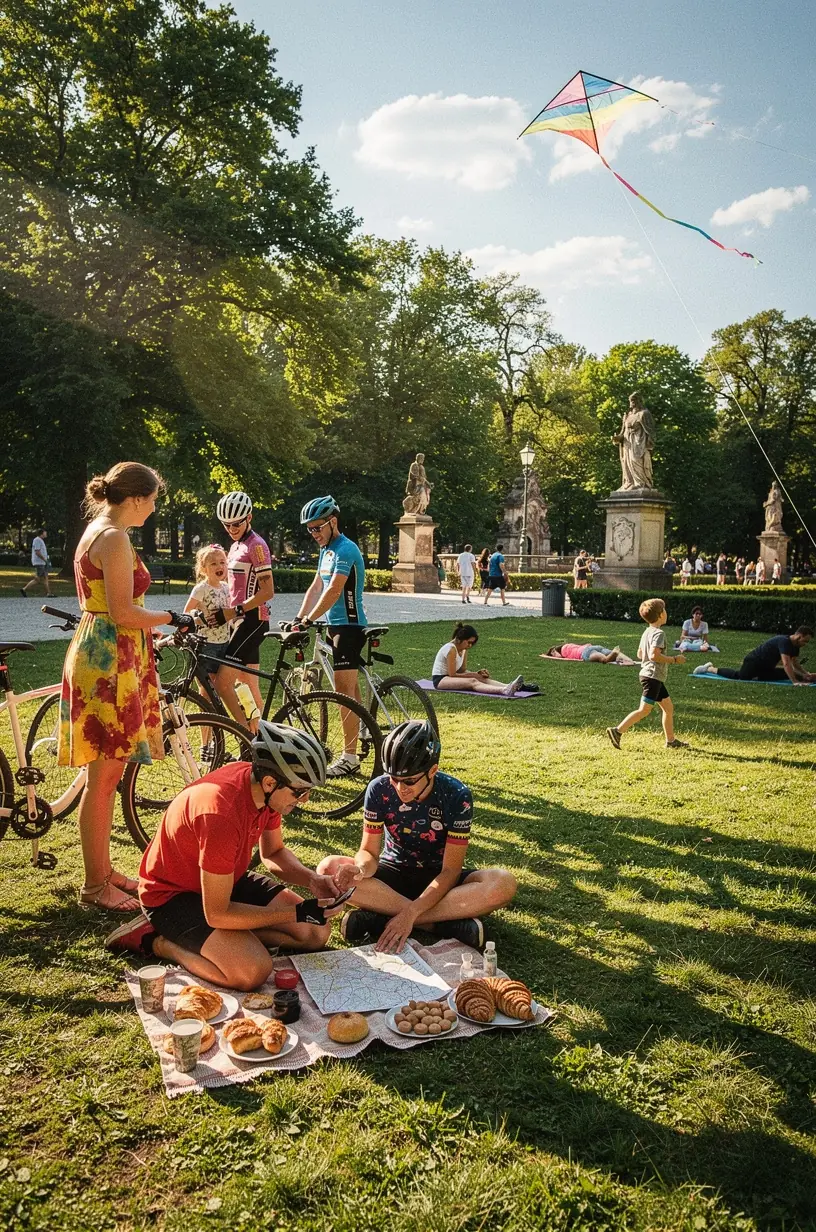
Light tourism refers to a form of travel that emphasizes low-impact, leisurely exploration. It often involves walking, cycling, or simple sightseeing rather than intense trekking or rigorous activities. This approach is beneficial because:
- Accessibility: Light tourism is generally suitable for people of all ages and fitness levels.
- Environmental Impact: It tends to have a lower ecological footprint, aligning with sustainable tourism practices.
- Engagement: Visitors can take their time exploring, allowing for a more immersive experience.
Exploring Parks in the Czech Republic
The Czech Republic is home to numerous historical parks that are perfect for light tourism. Some notable examples include:
- Petrin Hill in Prague - This park features stunning views and a historical observatory.
- Lednice-Valtice Cultural Landscape - A UNESCO World Heritage site that combines nature with history.
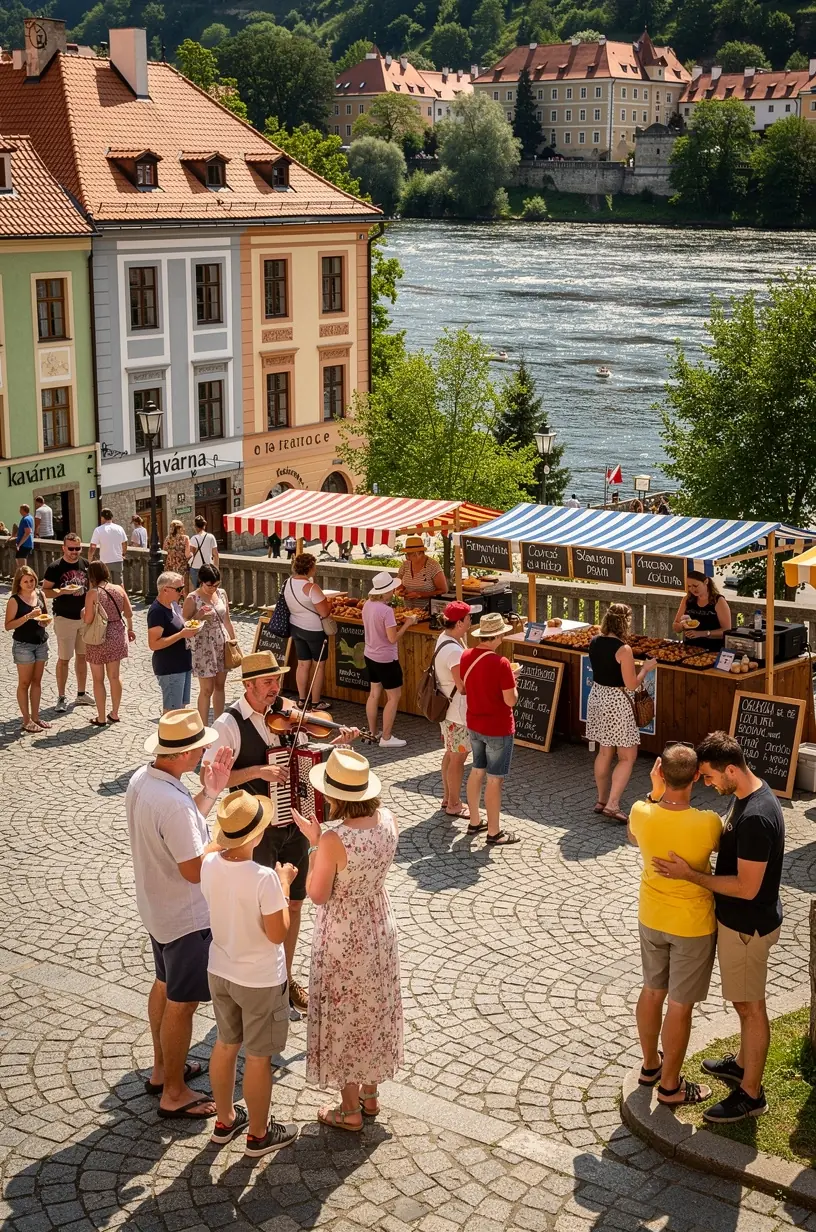
- Český Krumlov Castle Park - Offers serene paths and beautiful gardens alongside the historic castle.
Exploring these parks typically involves walking along scenic routes, enjoying guided tours, and participating in educational programs. These experiences can enhance your understanding of local history and culture.
Benefits of Light Tourism in Historical Parks
Engaging in light tourism at historical parks can provide several advantages:
- Improved Well-Being: Research indicates that spending time outdoors can significantly improve mental health and reduce stress levels.
- Cultural Appreciation: Light tourism allows visitors to connect with local history and culture, fostering a deeper understanding of the past.
- Social Interaction: Many light tourism activities encourage group participation, which can enhance social networks and community ties.
Considerations for Your Visit
While light tourism is generally accessible, it is essential to consider a few factors:
- Time Commitment: Engaging fully in historical parks may require a half-day or full-day commitment, depending on the park's size and the activities available.
- Physical Readiness: While light tourism is suitable for many, some parks may have uneven terrain that could pose challenges.
- Educational Opportunities: Many parks offer guided tours and informational sessions, which can significantly enrich your experience but may require prior booking.
Conclusion
Exploring historical parks through light tourism offers a unique blend of leisure and education. These experiences not only enhance personal well-being but also provide significant cultural insights. By engaging with the environment around you, you can foster a greater appreciation for history while enjoying the benefits of outdoor recreation. Whether you are a local or a visitor, taking the time to explore these parks can be a rewarding experience.