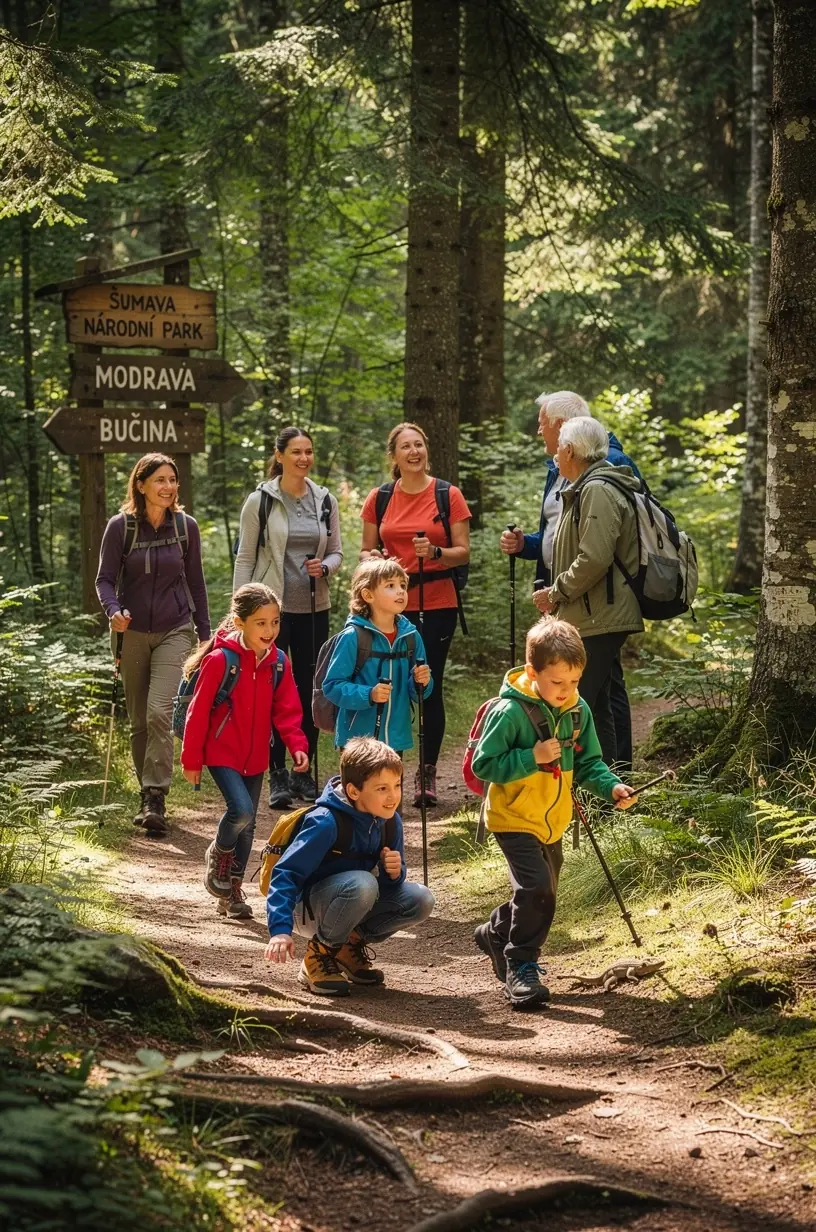
The Impact of Outdoor Activities on Mental Health
Engaging in outdoor activities can significantly influence mental well-being. Various studies indicate that regular exposure to nature can lead to reductions in anxiety, stress, and depression. This article explores the connection between outdoor activities and mental health, providing insights on how and why these activities can offer beneficial effects.
Understanding the Basics
Outdoor activities, such as walking, cycling, and light tourism, are often recommended by health professionals as effective strategies for improving mental health. According to research from the University of Essex, spending time in nature can reduce symptoms of anxiety and depression, as it typically promotes relaxation and a sense of peace.

"Nature has a profound effect on our mental well-being; even short walks in natural settings can lead to noticeable improvements in mood." - Mental Health Researcher
The Science Behind It
This impact can be attributed to several factors:
- Physical Activity: Engaging in outdoor activities often involves physical exercise, which is known to release endorphins—hormones that enhance mood. Studies show that regular physical activity can improve mental health by up to 20-30%.
- Exposure to Nature: Spending time in green spaces has been linked to lower levels of psychological distress. Research indicates that natural environments can help reduce stress, leading to improved mental clarity and focus.
- Social Interaction: Participating in outdoor activities often means interacting with others, which can combat feelings of loneliness. Experts recommend social engagement as a key element of mental wellness.
Practical Application in Daily Life
Incorporating outdoor activities into your routine can be straightforward. Here are a few actionable steps:
- Start Small: Begin with short walks in your local park. Aim for at least 30 minutes a few times a week, as studies suggest this can lead to noticeable improvements in mood over time.
- Explore New Routes: Consider cycling or hiking on new trails. Research indicates that novelty in outdoor experiences can enhance mood and motivation.
- Join a Group: Engaging in group activities, such as guided nature walks or cycling clubs, can provide both physical and social benefits, encouraging regular participation.
Acknowledging Limitations
While outdoor activities can provide numerous mental health benefits, it's important to acknowledge some limitations:
- Time Commitment: Regular engagement typically requires a commitment of time, often several hours each week.
- Initial Effort: For those not accustomed to physical activity, there can be a learning curve and the need for gradual increases in intensity and duration.
- Not a Replacement for Professional Help: While beneficial, outdoor activities should not replace professional treatment for serious mental health issues.
Conclusion
Outdoor activities offer a reliable path to enhancing mental health. By incorporating regular walks, cycling, and social engagement into your life, you may experience improved mood and reduced stress. Remember, the key is consistency and finding activities that you genuinely enjoy. As always, consult with a healthcare professional for tailored advice, especially if you have existing mental health concerns.