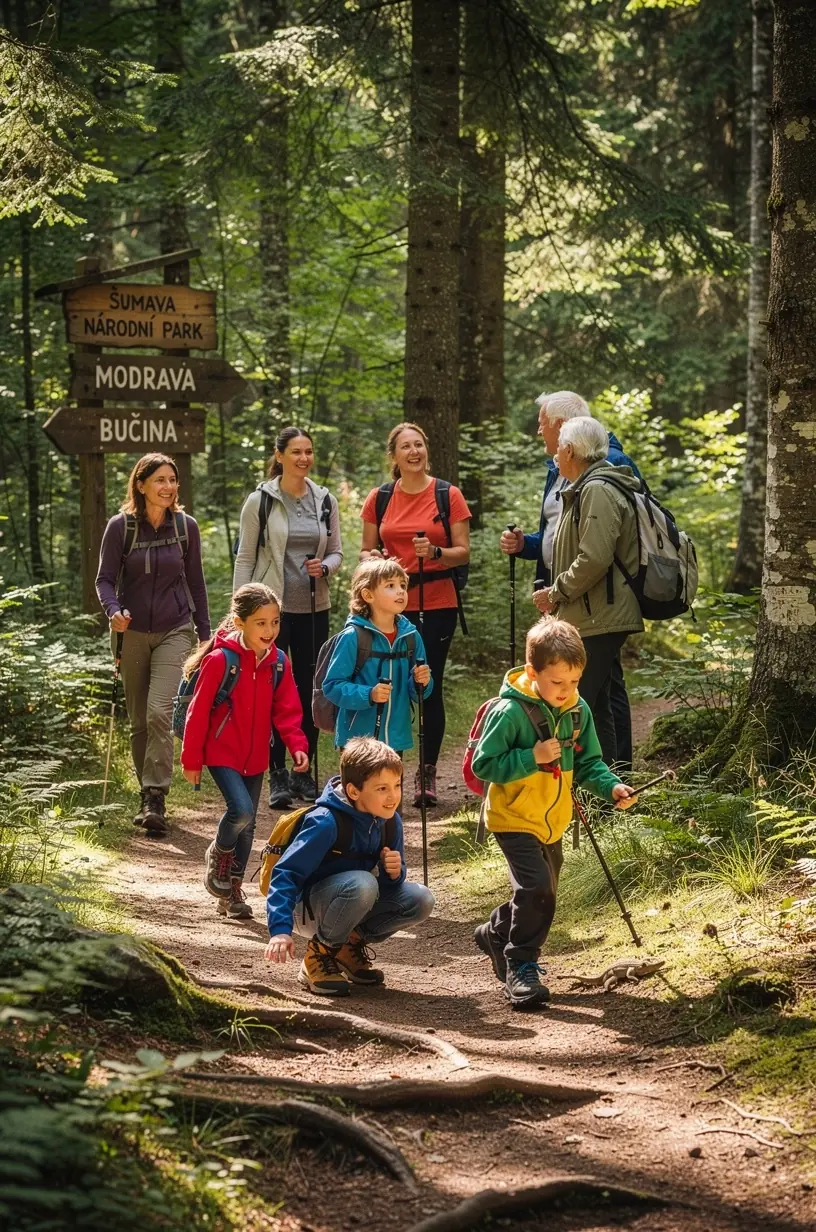
Understanding the Flora and Fauna of CZ Parks
Exploring the diverse flora and fauna of parks in the Czech Republic offers an enriching experience for outdoor enthusiasts. This article provides insights into the ecological significance, common species, and best practices for observing wildlife responsibly.
The Rich Biodiversity of Czech Parks
The Czech Republic is home to a variety of national and regional parks that boast a rich tapestry of biodiversity. According to the Czech Environmental Inspectorate, the country contains over 4,000 species of vascular plants and more than 1,000 species of vertebrates. This diversity is often found in protected areas where ecosystems remain relatively undisturbed.
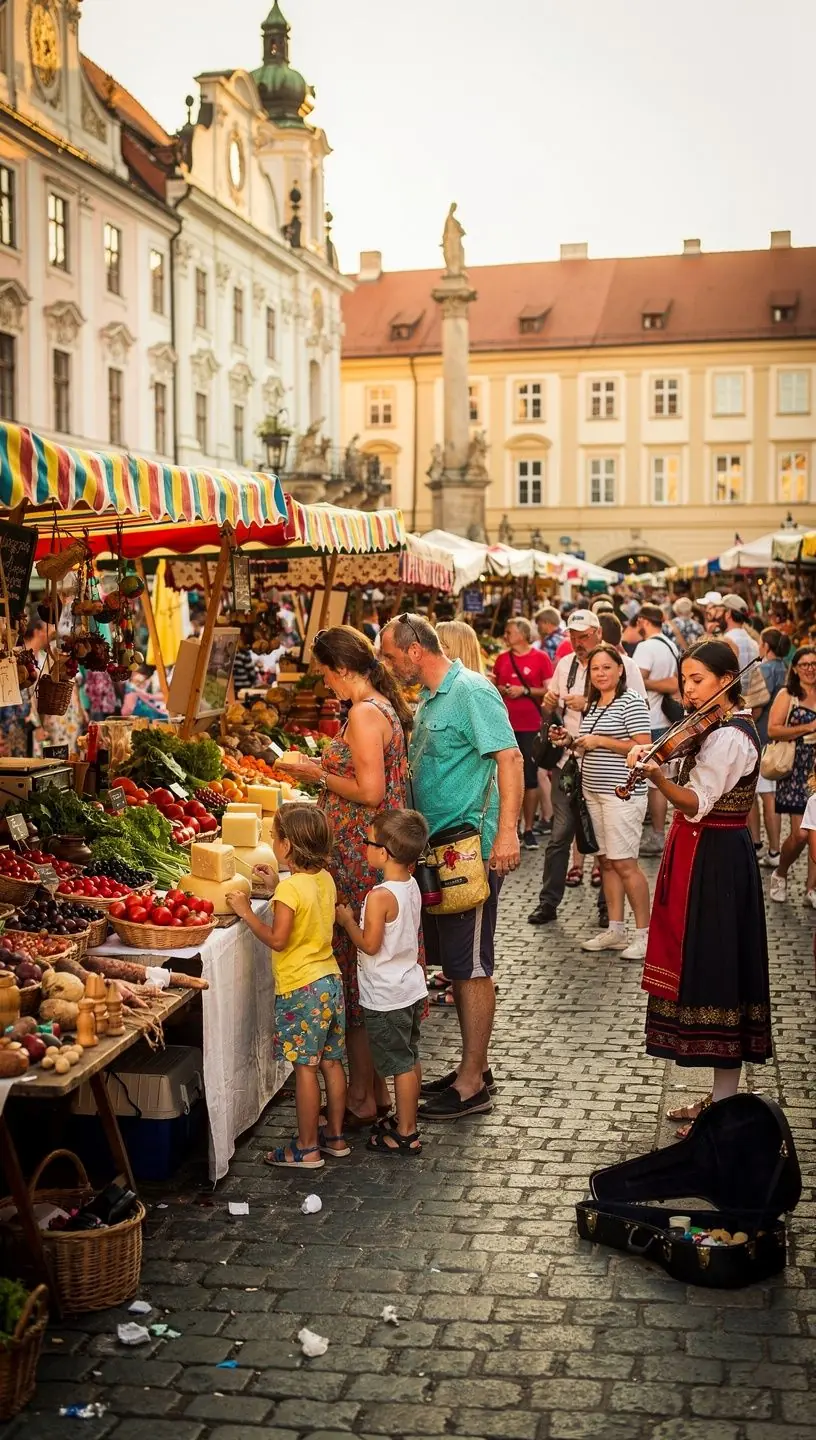
"Research indicates that the conservation of biodiversity in parks can enhance ecotourism and community engagement." – Environmental Studies Journal
Common Flora in CZ Parks
The flora in Czech parks typically includes a mix of deciduous and coniferous trees, wildflowers, and shrubs. Some common species you might encounter include:
- Beech Trees: Often found in mixed forests, they provide a significant habitat for various wildlife.
- Spruce Trees: A common conifer that thrives in cooler mountainous regions.
- Wildflowers: Species such as the common bluebell and various orchids can be found in grasslands and meadows.
Studies show that the presence of diverse plant species helps sustain local wildlife populations, creating a balanced ecosystem.
Fauna: The Wildlife You Might Encounter
The fauna in Czech parks is equally impressive. Many users report sightings of:
- Red Deer: Frequently spotted in forested areas, they are a key species for ecological studies.
- European Badger: Known for its burrowing habits, this nocturnal creature plays an important role in soil aeration.
- Bird Species: Parks support numerous birds, including the common buzzard and various songbirds.
Experts recommend visiting these parks during different seasons to observe the seasonal behavior of wildlife. For instance, spring is ideal for birdwatching, while autumn offers stunning foliage and a chance to see animals preparing for winter.
Best Practices for Observing Flora and Fauna
While exploring the parks, it's vital to adhere to responsible wildlife observation practices. This typically includes:
- Staying on Designated Trails: This helps minimize impact on natural habitats.
- Maintaining Distance: Observing wildlife from a safe distance ensures both your safety and the animals' well-being.
- Avoiding Feeding Wildlife: Feeding animals can disrupt their natural foraging behaviors and lead to dependency on human food sources.
Following these guidelines not only protects the wildlife but also enhances your experience, allowing for a more genuine connection with nature.
Conclusion
Understanding the flora and fauna of Czech parks enriches outdoor activities such as walking, cycling, and light tourism. By engaging with these ecosystems responsibly, visitors can enjoy the beauty of nature while contributing to conservation efforts. Remember, the journey into nature is not just about the destination—it's about the knowledge and respect we cultivate along the way.
Learn More