A Guide to Eco-Friendly Practices While Touring
Exploring the great outdoors can be both exhilarating and enlightening, but it also comes with responsibilities. This guide outlines eco-friendly practices that can enhance your touring experience while minimizing your environmental impact.
Understanding Eco-Friendly Touring
Eco-friendly touring refers to engaging in activities that promote sustainability and respect for natural landscapes. According to research from the United Nations Environment Programme, sustainable tourism can lead to better conservation of natural and cultural resources, which is essential for future generations. By choosing eco-friendly practices, you contribute to the preservation of the environment and enhance your travel experience.
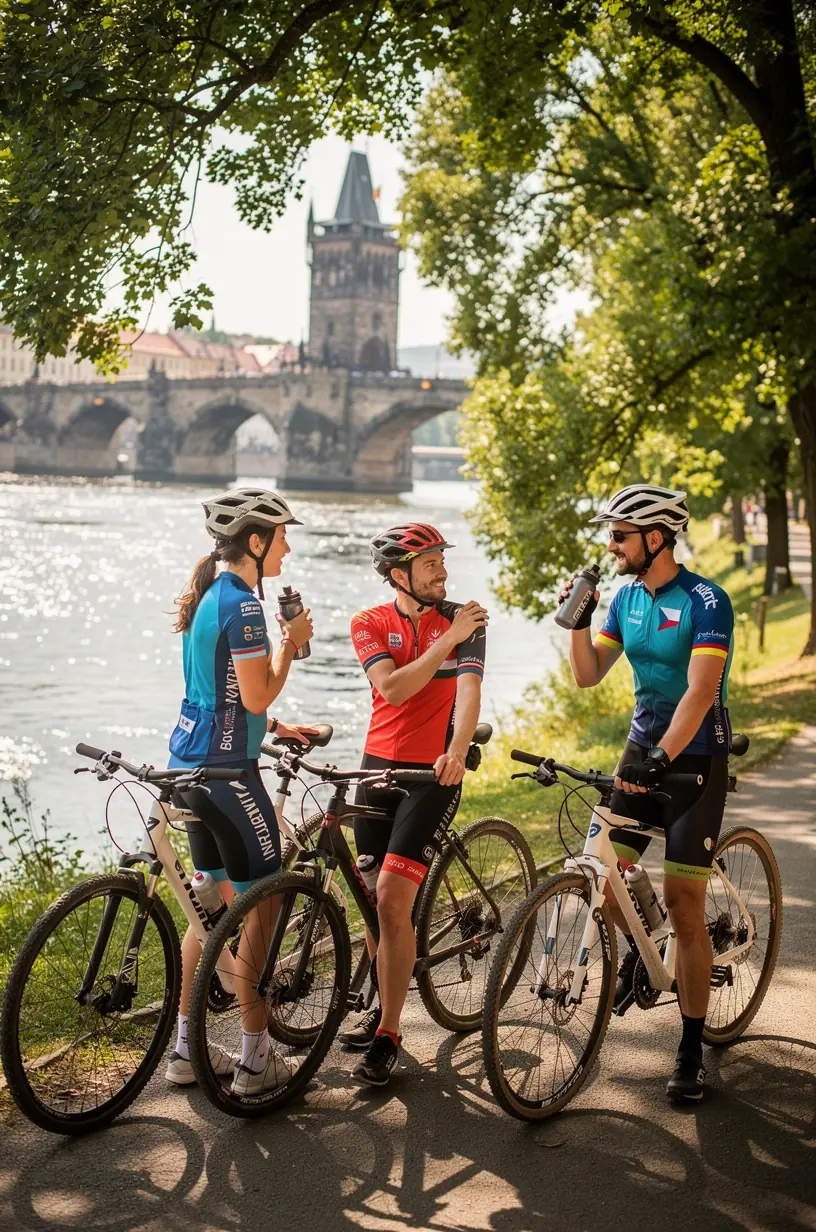
"Sustainable tourism is not just a trend; it’s a necessity for the well-being of our planet." - Industry Experts
Key Practices for Eco-Friendly Touring
- Choose Sustainable Transportation: Opt for cycling or walking when possible. Studies indicate that using non-motorized transport can significantly reduce your carbon footprint. Many users report that cycling allows for a more intimate connection with nature.
- Respect Wildlife and Nature: Maintain a safe distance from wildlife and avoid disrupting their habitats. The principle behind this is that wildlife encounters can be stressful for animals, and minimizing disturbance helps maintain ecological balance.
- Use Eco-Friendly Products: When touring, select biodegradable products and reusable items. Research shows that single-use plastics contribute greatly to pollution, so opting for sustainable alternatives can help mitigate this issue.
Choosing the Right Locations
Many parks and recreational areas in the Czech Republic have adopted eco-friendly practices. For instance, parks often implement measures to reduce waste and protect local wildlife. It is advisable to check if your chosen location has sustainability initiatives in place. This not only enhances your experience but also supports local conservation efforts.
Plan Your Activities Wisely
When planning your outdoor activities, consider the following:
- Research Trails: Look for trails that are well-maintained and designed to minimize environmental impacts. Many outdoor recreation experts suggest using designated paths to prevent soil erosion and protect native vegetation.
- Time Your Visits: Visiting during off-peak times can help reduce overcrowding, which is beneficial for both the environment and your experience. Typically, weekdays see less traffic, allowing for a more serene atmosphere.
- Engage with Local Communities: Participating in eco-tourism initiatives led by local communities can provide insights into sustainable practices. This not only enhances your understanding but fosters a sense of connection to the area and its inhabitants.
Conclusion
Adopting eco-friendly practices while touring enriches your experience and promotes the preservation of the natural world. By implementing these strategies, you can travel responsibly and contribute to the sustainability of our beloved outdoor spaces. Remember, every small action counts towards a healthier planet.